

How to Build a Content Funnel That Converts
You’re creating content—great! But if it’s not moving your audience toward action, you’re missing a huge opportunity.
Enter the content funnel.
A content funnel is more than a marketing buzzword—it’s your strategic roadmap for guiding people from “just browsing” to “ready to buy.” Whether you’re selling a product, service, or big idea, a well-built content funnel can turn casual readers into loyal customers.
In this post, we’ll walk through how to create a content funnel that doesn’t just attract attention, but drives conversions.
What Is a Content Funnel?
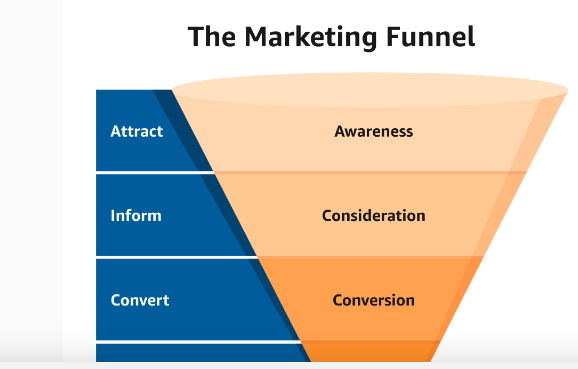
A content funnel maps your content to each stage of the buyer’s journey, guiding prospects from awareness to decision. It’s typically broken down into three core stages:
1. Top of Funnel (TOFU) – Awareness
Goal: Attract and educate new audiences
Content: Blog posts, videos, infographics, social content, podcasts
2. Middle of Funnel (MOFU) – Consideration
Goal: Nurture leads and build trust
Content: Case studies, webinars, email newsletters, ebooks, comparison guides
3. Bottom of Funnel (BOFU) – Decision
Goal: Convert leads into customers
Content: Product demos, pricing pages, testimonials, free trials, sales emails
Each stage requires different types of content—and different messaging—to move people closer to taking action.
Step-by-Step: How to Build Your Content Funnel
1. Know Your Audience (Really Well)
Before you create a single piece of content, get clear on:
Who your audience is
What problems they’re facing
Where they hang out online
What objections they might have
Use surveys, social listening, interviews, and tools like Google Analytics or SparkToro to build out personas. Your content is only effective if it speaks directly to your audience’s needs.
2. Map Content to Each Funnel Stage
Let’s break it down:
TOFU Content (Awareness)
This is where you introduce your brand and provide value without selling.
Blog posts: “How-to” guides, trends, beginner tips
Social media: Reels, carousels, viral content
Infographics: Simplify complex info
Podcasts or videos: Share stories and educate
Example:
“10 Ways Small Businesses Can Use Instagram Stories” – This attracts new visitors who don’t yet know your brand but are interested in solving a problem.
MOFU Content (Consideration)
Now they know you—this stage is about building trust and nurturing interest.
Email newsletters: Offer deeper insights or curated content
Webinars: Share expert-level advice and position your brand as the guide
Case studies: Show real-world results
Comparison guides: Help users weigh options
Example:
“Free Webinar: How to Convert Instagram Followers into Customers” – Now you’re offering more value and positioning yourself as a credible solution.
BOFU Content (Decision)
Time to go in for the ask. At this point, they need reassurance and incentive to act.
Sales pages: Clear, benefits-driven messaging
Product demos or free trials
Testimonials and social proof
Limited-time offers or discounts
Example:
“Sign up for a 14-day free trial—no credit card required.” Boom. You’ve earned their attention, now convert it.
3. Track Key Funnel Metrics
You can’t optimize what you don’t measure. Here’s what to watch at each stage:
| Funnel Stage | Key Metrics |
|---|---|
| TOFU | Website traffic, social engagement, email sign-ups |
| MOFU | Time on site, webinar attendance, email CTRs |
| BOFU | Conversion rate, demo requests, trial sign-ups |
Use tools like Google Analytics, HubSpot, or ConvertKit to monitor your funnel’s performance.
4. Optimize & Repurpose Content
A good funnel evolves. Reuse top-performing content across multiple platforms:
Turn a blog into a carousel, reel, or YouTube short
Break up a webinar into blog posts or social snippets
Repurpose an ebook into a series of email lessons
Keep refining your messaging and format based on real data.
Pro Tip: Add CTAs at Every Stage
Don’t assume people will take the next step—guide them.
TOFU CTA: “Download our free checklist”
MOFU CTA: “Join our live webinar”
BOFU CTA: “Book your free strategy call today”
Each piece of content should offer a natural next move.
Final Thoughts
A content funnel isn’t just about pushing sales—it’s about building relationships, educating your audience, and making it easy for them to trust you with their decision.
When done right, your funnel becomes a conversion engine—driving results 24/7 while you sleep, scale, or sip that iced coffee.