

Organic vs. Paid Social Media: What’s the Difference?
When it comes to social media marketing, businesses often face a key question: Should you focus on organic efforts or invest in paid strategies? Both options can drive results, but they serve different purposes and require different approaches.
In this post, we’ll break down the difference between organic and paid social media, explore the pros and cons of each, and help you decide where to invest your time and resources.
What Is Organic Social Media?
Organic social media refers to the free content you post to your social media profiles. It includes:
Regular posts (images, videos, links, updates)
Stories and Reels
Replies and comments
Shares and mentions
Your organic reach comes from people who follow you, share your content, or find you through hashtags and search.
Pros:
Free to use
Builds trust and long-term relationships
Encourages community and engagement
Shows your brand personality
Cons:
Reach is limited to your current audience
Growth can be slow
Algorithms may suppress your visibility
What Is Paid Social Media?
Paid social media involves running paid advertisements on platforms like Facebook, Instagram, LinkedIn, TikTok, and Twitter/X. These ads can be used to:
Promote posts
Drive traffic to a website or landing page
Generate leads or sales
Increase visibility to new audiences
Pros:
Immediate visibility and reach
Advanced targeting (location, interests, behavior)
Measurable results (clicks, conversions, ROI)
Scalable depending on budget
Cons:
Costs money (can add up quickly)
Requires constant optimization
Results may disappear when the ad budget stops
When to Use Organic Social Media
Organic is great for:
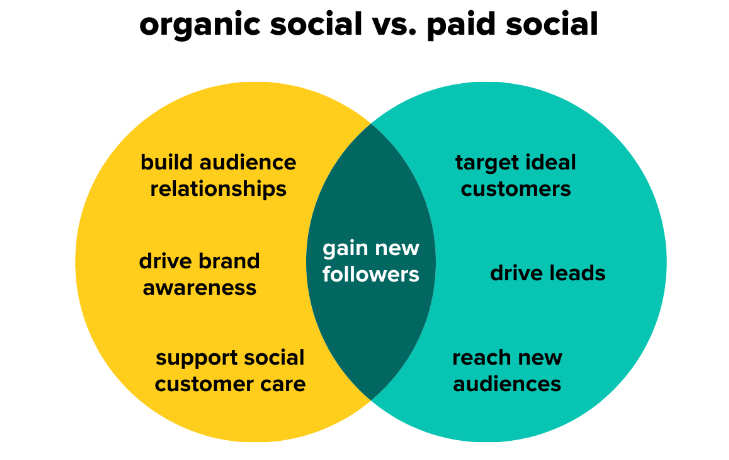
Brand awareness and community building
Engaging your current followers
Showcasing company culture or behind-the-scenes content
Long-term relationship nurturing
Tip: Focus on providing value, entertainment, or inspiration through your posts.
When to Use Paid Social Media
Paid is great for:
Launching a new product or service
Driving traffic to a website, landing page, or funnel
Reaching new audiences quickly
Retargeting users who have interacted with you before
Tip: Always set clear goals and track your results through platform analytics or tools like Google Analytics.
The Best Strategy: Combine Both
Organic and paid strategies work best when they complement each other:
Use organic to build trust and engage with your audience.
Use paid to scale your reach and drive conversions.
Example:
Post valuable tips and tutorials organically
Boost your top-performing content to reach a broader audience
Run ads for promotions or lead magnets
Final Thoughts
Organic and paid social media each have their strengths. Organic builds relationships and trust, while paid accelerates visibility and drives action.
The most successful brands use both strategically. Start by building a strong organic presence, then amplify your efforts with paid campaigns tailored to your goals.


