

Understanding the Buyer’s Journey and Content Fit
Creating great content isn’t just about writing blog posts or making videos—it’s about delivering the right message to the right person at the right time. That’s where understanding the buyer’s journey comes in.
If you want your content to drive results—traffic, leads, or conversions—you need to match your content to where your audience is in their decision-making process.
Let’s break down the buyer’s journey and how to create content that fits every step of the way.
What Is the Buyer’s Journey?
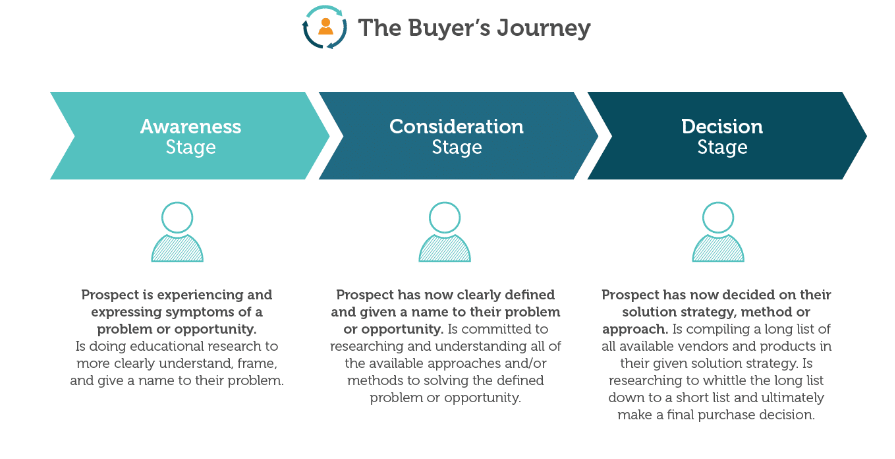
The buyer’s journey is the process a potential customer goes through before making a purchase. It’s typically broken into three main stages:
Awareness Stage – “I have a problem or need.”
Consideration Stage – “I’m exploring solutions.”
Decision Stage – “I’m ready to choose.”
Each stage requires a different kind of content to effectively engage, inform, and guide your audience.
Stage 1: Awareness
Goal:
Help your audience recognize and define a problem or opportunity.
Audience Mindset:
“Why isn’t my team communicating well?”
“Why do I feel burnt out at work?”
“How can I get more website traffic?”
They’re not ready to buy—they’re seeking information, insight, and understanding.
Best Content Types:
Educational blog posts
How-to guides
Infographics
Social media posts
Podcasts
SEO-optimized articles
Example:
A blog post titled “10 Signs Your Team Needs Better Communication Tools” would resonate with someone just starting to identify a workplace problem.
Tip: Don’t sell—help. Your job is to provide value and earn trust.
Stage 2: Consideration
Goal:
Help your audience explore and compare possible solutions.
Audience Mindset:
“Should I use Slack or Microsoft Teams?”
“Do I need a marketing agency or an in-house team?”
“What’s the difference between burnout and stress?”
They know their problem—now they’re evaluating ways to solve it.
Best Content Types:
Comparison guides
Case studies
Webinars
Whitepapers
Email courses
Expert interviews
Example:
An eBook titled “Slack vs. Teams: Which Is Best for Remote Teams in 2025?” offers practical, decision-driving value for someone comparing tools.
Tip: Focus on solution education, not just product promotion.
Stage 3: Decision
Goal:
Convince your audience to choose your product or service.
Audience Mindset:
“Which vendor fits my budget and needs?”
“Can I trust this brand to deliver results?”
“What do other customers say?”
They’re ready to act—they just need reassurance and proof.
Best Content Types:
Product demos
Free trials
Testimonials
Pricing pages
Case studies
Personalized consultations
Example:
A landing page offering a free 14-day trial + customer success stories is perfect for prospects who are one click away from buying.
Tip: Highlight trust, ease, and results. Make taking action a no-brainer.
Post-Purchase: Don’t Stop There
The buyer’s journey doesn’t end at “buy.” Loyal customers become repeat buyers, referral sources, and brand advocates.
Keep them engaged with:
Onboarding content
User guides
Loyalty programs
Customer spotlights
Feedback surveys
Why Content Fit Matters
When you map your content to the buyer’s journey:
You meet people where they are
You build trust before you pitch
Your guide leads naturally toward conversion
When you don’t? You risk confusing, boring, or losing potential customers altogether.
Final Thoughts
Understanding the buyer’s journey helps you stop guessing and start strategizing. With the right content at each stage, you can turn a cold visitor into a loyal customer and advocate.


