
Running a great PPC campaign isn’t just about writing killer ads—it’s about showing those ads to the right people at the right time.
That’s where audience targeting comes in.
Today’s advertising platforms (like Google Ads, Facebook Ads, and LinkedIn Ads) give you incredible tools to pinpoint your ideal customers based on who they are, what they care about, and what they’re actively looking for.
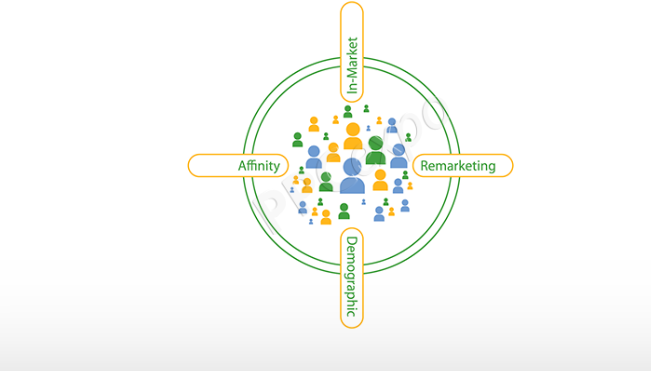
Let’s break down the three main layers of PPC audience targeting: Demographics, Interests, and Intent—and how to use each to drive better results.
1. Demographic Targeting: Who They Are
Demographic targeting lets you reach people based on basic characteristics like:
Age
Gender
Household income
Education level
Marital status
Parental status
Job title or industry (especially in B2B ads)
Why It Matters:
Not every product or service appeals to everyone.
By honing in on demographics, you avoid wasting spend on people who are unlikely to convert.
Example:
A luxury watch brand might target males, ages 30–55, with high household incomes.
A baby clothing store might target new parents between 25–40.
Pro Tip:
Use demographic targeting alongside other layers for even sharper focus.
2. Interest Targeting: What They Care About
Interest targeting zeroes in on users based on their hobbies, lifestyle choices, and passions.
Platforms track behavior like:
Sites visited
Videos watched
Apps used
Content engaged with
Common Interest Categories:
Fitness enthusiasts
Travel lovers
Home improvement DIYers
Tech gadget fans
Foodies
Example:
A travel agency might target people interested in “international travel” and “luxury hotels.”
A fitness app might target users interested in “running” and “home workouts.”
Where It’s Powerful:
Facebook/Instagram: Extremely strong interest-based targeting
YouTube: Based on video viewing behavior
Display networks: Interest groups across the web
Pro Tip:
Combine interests with custom messaging that speaks directly to their passions.
3. Intent Targeting: What They’re Ready to Do
Intent targeting focuses on users who are actively showing signals that they are ready to take action soon.
This is the goldmine for PPC because you’re reaching people closer to the buying decision.
High-Intent Signals:
Recent search queries (Google Search Ads)
Comparison shopping behavior (e.g., “best CRM software 2025”)
Engagement with product or service categories
Site retargeting (visited your product page recently)
Example:
A SaaS company could target people searching for “best project management tools.”
A furniture brand could retarget users who abandoned a shopping cart last week.
Where It’s Powerful:
Google Search Ads (search intent is king!)
Google Display & YouTube (custom intent audiences)
LinkedIn Ads (job seekers or buyers researching vendors)
Pro Tip:
Use intent targeting for bottom-of-funnel campaigns where you’re ready to close the deal.
How to Combine Demographics, Interests, and Intent
The real magic happens when you layer your targeting:
Example PPC Strategy:
Target men, aged 25–45, interested in cycling, who recently searched “best road bikes under $1000.”
This approach keeps your audience tight and qualified, increasing your conversion rates and lowering wasted ad spend.
✅ Demographics = Relevant profile
✅ Interests = Relevant lifestyle
✅ Intent = Immediate need
Tools for Smarter Audience Targeting
Here are a few PPC platforms and tools that offer advanced targeting options:
| Platform | Notable Audience Features |
|---|---|
| Google Ads | In-market audiences, custom intent, affinity audiences |
| Facebook Ads | Detailed targeting (interests, behaviors), Lookalike Audiences |
| LinkedIn Ads | Job title, company size, industry targeting |
| Microsoft Ads | LinkedIn profile targeting inside search ads |
| YouTube Ads | Custom audiences based on search behavior |
Final Thoughts
PPC success isn’t just about writing the best ads or bidding the highest.
It’s about reaching the right audience, at the right time, with the right message.
By mastering demographics, interests, and intent targeting, you’ll:
Increase your click-through rates (CTR)
Lower your cost per click (CPC)
Boost your conversion rates
Make every dollar work harder