

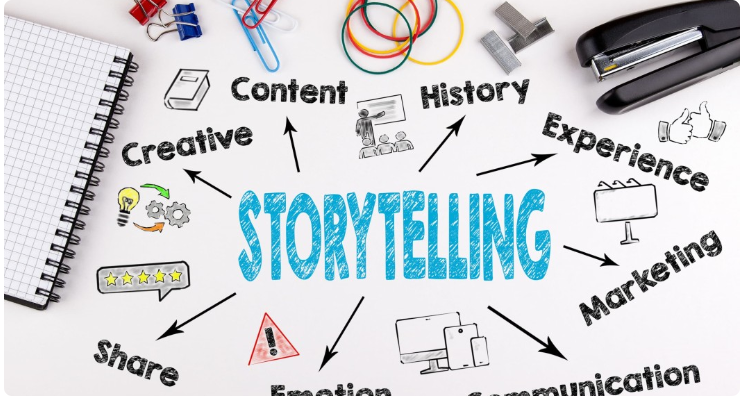
Storytelling in Content Marketing: Crafting Narratives That Sell
People don’t remember facts—they remember stories.
In a digital world overflowing with content, storytelling is the secret weapon that makes your brand memorable, relatable, and trustworthy. Whether you’re writing a blog post, crafting a landing page, or filming a product video, storytelling is what transforms information into inspiration—and ultimately, action.
Let’s dive into why storytelling works so well in content marketing, how to craft stories that resonate, and how to use narrative techniques to drive real business results.
Why Storytelling Works in Marketing
Here’s the science: stories light up more parts of the brain than facts alone. They tap into emotion, build connection, and help people make sense of complex ideas. In marketing, that means:
Increased engagement – Stories keep people reading or watching
Stronger emotional connection – People buy from brands they feel aligned with
Improved recall – A narrative is easier to remember than a data dump
Higher conversions – Stories guide people through a journey, ending in action
Whether you’re B2B or B2C, small brand or enterprise, storytelling gives your message a human heartbeat.
Core Elements of Great Brand Storytelling
Every powerful brand story includes these key ingredients:
1. The Hero
In content marketing, the hero isn’t your brand—it’s your customer. Frame your narrative around their journey, struggles, and success.
2. The Problem
What challenge or pain point is your audience facing? This creates the tension that drives the story.
3. The Guide (That’s You)
Your brand is the mentor—think Yoda to their Luke Skywalker. You offer the tools, knowledge, or product that helps them succeed.
4. The Solution
Here’s where you show how your product or service helps the hero overcome their challenge.
5. The Transformation
Paint a picture of the “after” state. What does success look like? How has their life or business improved?
This framework (inspired by Donald Miller’s StoryBrand) works across blog posts, emails, ads, and even social media captions.
Where to Use Storytelling in Content Marketing
Blog Posts
Turn educational content into compelling narratives:
Case studies with a beginning, middle, and end
Personal anecdotes to humanize your brand
Problem-solution structures with emotional payoff
Example: “How We Helped a Small Coffee Shop Increase Online Orders by 300%”
Videos
Video is the ultimate storytelling medium—use it for:
Customer success stories
Founder or origin stories
Behind-the-scenes brand content
Pro Tip: Even a 15-second TikTok can follow a micro-story arc!
Email Marketing
Use storytelling to deepen relationships:
Share your founder’s journey
Tell a story about a customer’s transformation
Set the stage before a product launch or campaign
Example: “Three Years Ago, We Nearly Shut Down—Here’s What Changed”
Product Pages
Facts sell the features, but stories sell the experience:
Include customer quotes or mini case studies
Use visuals to show the before/after
Highlight the journey, not just the specs
How to Craft a Story That Converts
Start with a real challenge your audience faces
Don’t be generic—use customer research, reviews, or interviews to get specific.Introduce emotion
What are they feeling? Frustrated, overwhelmed, excited? Tap into those emotions to hook the reader.Position your brand as the guide
Show empathy, authority, and a clear path forward.End with a transformation and a CTA
Show the positive outcome and invite them to take the next step.
Common Storytelling Mistakes to Avoid
Making your brand the hero
The story is about them, not you.Focusing on features instead of feelings
Highlight how your solution changes lives, not just how it works.Trying to appeal to everyone
Be specific. The more niche your story, the more relatable it becomes.
Final Thoughts
In a noisy content landscape, storytelling is what makes your brand stick. It creates emotional resonance, builds trust, and moves people to action—without sounding like a sales pitch.