
A/B Testing in PPC: What to Test and Why It Matters
If you’re running PPC campaigns and not A/B testing, you’re leaving money (and insights) on the table.
In the fast-moving world of paid search and social ads, even small tweaks can make a big impact.
A/B testing is how you determine what actually works, not what you think works.
Today, we’ll break down:
What A/B testing in PPC is
Why it’s essential
What elements you should test
How to set up smart experiments that drive real results
Let’s dive in!
What Is A/B Testing in PPC?
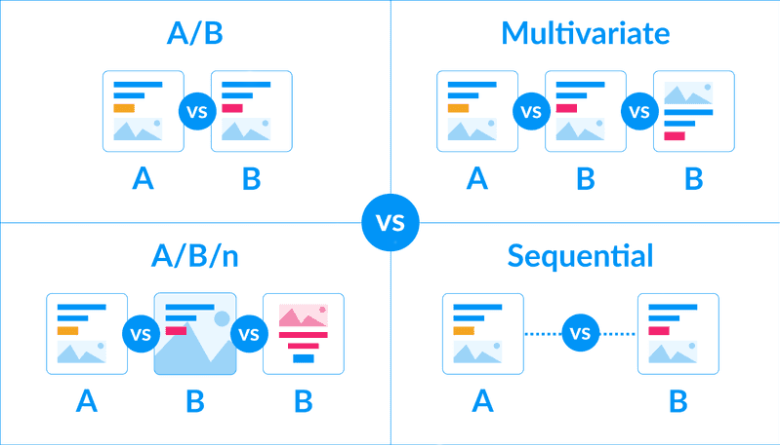
A/B testing (also called split testing) in PPC means running two or more variations of an ad, landing page, or campaign element at the same time to see which version performs better.
Version A: Your original (“control”) ad.
Version B: A variation where you’ve changed one thing (e.g., the headline).
You compare the performance based on metrics like:
Click-Through Rate (CTR)
Conversion Rate
Cost Per Conversion
The goal:
Find the winning version that delivers better results—and then double down on what works.
Why A/B Testing Matters in PPC
Here’s why A/B testing should be a regular part of your PPC strategy:
Remove guesswork:
Data, not opinions, guide your decisions.Improve ROI:
Better-performing ads mean lower costs and higher returns.Understand your audience:
Learn what messaging, offers, and visuals truly resonate.Stay competitive:
Constant improvement keeps you ahead in the ad auction.
Pro Tip:
What worked last year—or even last month—might not work today. Testing helps you adapt faster.
What You Should A/B Test in PPC
1. Ad Copy
Test different:
Headlines
Descriptions
Calls to Action (CTAs)
Example Tests:
“Shop Now” vs. “Get Your Free Trial”
“Premium Running Shoes” vs. “Top-Rated Running Gear”
✅ Look for changes in CTR and conversion rates.
2. Display URLs
Sometimes small changes here make a big difference.
✅ It can subtly boost relevance and trust.
3. Landing Pages
Don’t just stop at the ad—test where you send people!
Example Tests:
Form length (Short form vs. Long form)
Headline messaging
Images and videos
CTA button color or text
✅ Focus on improving Conversion Rate.
4. Ad Extensions
Test:
Different sitelinks
Callouts
Structured snippets
Example Tests:
Sitelinks highlighting features vs. sitelinks highlighting pricing
✅ A/B testing extensions can boost your ad’s size and attractiveness.
5. Targeting Settings
Try different:
Locations
Devices (mobile vs. desktop)
Audiences (interests, demographics)
Example Tests:
Targeting only mobile users during lunchtime vs. all-day, all-devices
✅ Helps you find your most profitable audiences.
6. Bidding Strategies
Test automated bidding (e.g., Maximize Conversions) vs. manual bidding.
✅ Different strategies can massively impact cost-efficiency.
How to Run Smart A/B Tests
Here’s a simple step-by-step process:
1. Focus on ONE Variable at a Time
Only test one change per experiment.
(If you change 5 things, you won’t know what made the difference.)
2. Define Your Goal
What are you trying to improve?
Higher CTR?
More conversions?
Lower CPA?
3. Set a Long Enough Testing Period
Run tests until you get statistically significant results—usually at least 1–2 weeks, depending on your traffic volume.
4. Split Traffic Evenly
Google and most ad platforms can do this automatically.
5. Analyze and Act
Pick the winner, pause the loser—and use the insights for your next round of testing.
Quick Real-World Example
A/B Test:
Ad A: “Book Your Dream Vacation Today!”
Ad B: “Save 30% on Dream Vacations — Limited Time!”
Results After 2 Weeks:
Ad A CTR: 2.1%
Ad B CTR: 3.7%
Ad B Cost per Conversion: 20% lower
Winner:
Ad B → Better CTR + Lower CPA = More efficient campaign!
Final Thoughts
A/B testing isn’t a nice-to-have in PPC—it’s essential if you want to: ✅ Lower costs
✅ Increase conversions
✅ Scale campaigns faster
✅ Stay ahead of competitors
Always be testing, always be learning.