


Polycystic kidney disorder (PKD or PCKD, also called polycystic kidney disease) is a genetic disease where the renal tubules become structurally abnormal, leading to the maturation and growth of numerous cystsinside the kidney. These cysts may start to develop before birth or in infancy, in childhood, or at adulthood.Cysts are non-functioning tubules full of fluid pumped to them, ranging in size from microscopic to huge, crushing adjoining normal tubules and finally rendering them non-functional also.
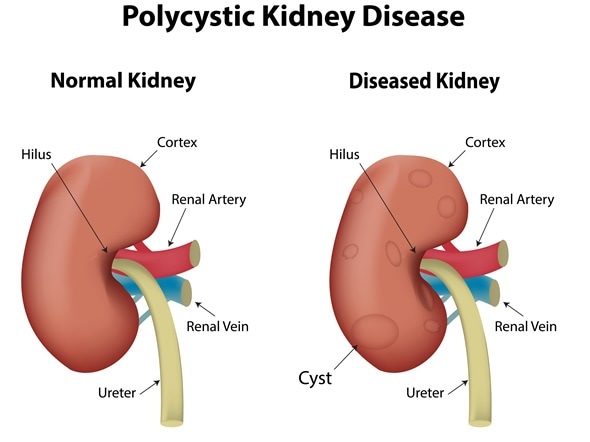
PKD is caused by abnormal genes that produce a particular abnormal protein that has a negative impact on tubule development. PKD is a general term for two forms, each using their own pathology and hereditary origin: autosomal dominant polycystic kidney disease (ADPKD) and autosomal recessive polycystic kidney disease(ARPKD). The abnormal receptor is present in all cells within the body: as a consequence, cysts may happen from the liver, seminal vesicles, and pancreas. This genetic defect may also cause aortic root aneurysms, and aneurysms from the group of Willis cerebral arteries, which should they sag, can give rise to a subarachnoid hemorrhage.
Diagnosis could be suspected from one, a few, or all of the following: fresh onset flank pain or reddish urine; a positive family history; palpation of enlarged glands on physical examination; an incidental finding on gut sonogram; or an incidental finding of abnormal kidney function within regular laboratory work (BUN, serum creatinine, or eGFR). Definitive diagnosis is made from gut CT examination.
Polycystic kidney disease (PKD) is an inherited disorder in which clusters of cysts develop primarily within your kidneys, causing your kidneys to enlarge and lose function over time. Cysts are noncancerous round sacs containing fluid. The cysts vary in size, and they can grow very large. Having many cysts or large cysts can damage your kidneys.
PKD varies greatly in its severity, and some complications are preventable. Lifestyle changes and treatments might help reduce damage to your kidney from complications.
Signs and symptoms of polycystic kidney
Polycystic kidney disease symptoms can include:
- High blood pressure
- Back or side pain
- Headache
- A feeling of fullness in your abdomen
- Increased size of your abdomen due to enlarged kidneys
- Blood in your urine
- Kidney stones
- Kidney failure
- Urinary tract or kidney infections
Causes of polycystic kidney
Abnormal genes trigger polycystic kidney disorder, meaning that generally, the disorder runs in families. Paradoxically, a hereditary mutation happens on its own (spontaneous), so that neither parent has a copy of the mutated gene.
The two Major Kinds of polycystic kidney disease, due to various genetic defects, are:
Autosomal dominant polycystic kidney disease (ADPKD). Symptoms and signs of ADPKD frequently develop between the ages of 30 and 40. Before, this type has been called adult polycystic liver disease, but kids can develop the disease.
Just 1 parent should get the disorder in order for it to pass into the kids. If a parent has ADPKD, every child has a 50 percent probability of getting the disease. This type accounts for approximately 90 percent of cases of polycystic kidney disease.
Autosomal recessive polycystic kidney disease (ARPKD). This kind is much less common compared to the ADPKD. The signs and symptoms frequently appear soon after birth. From time to time, symptoms do not appear until later in childhood or through adolescence.
Both parents should have abnormal genes to pass with this sort of the disease. If both parents carry a gene for this disease, each child has a 25 percent chance of getting the disease.
Prevention
In case you’ve got kidney disease and you are contemplating having kids, a genetic counselor can help you evaluate your chance of passing the illness for your own offspring.
Maintaining your kidneys as wholesome as possible can help prevent a few of the complications of the disorder. Among the most significant ways, you can guard your kidneys is by simply managing your blood pressure.
Here are some tips for keeping your blood pressure in check:
- If you smoke, quit.
- Exercise regularly. Aim for at least 30 minutes of moderate physical activity most days of the week.
- Limit alcohol use.
- Take the blood pressure medications prescribed by your doctor as directed.
- Eat a low-salt diet containing plenty of fruits, vegetables and whole grains.
- Maintain a healthy weight. Ask your doctor what the right weight is for you.