

If you run Google Ads, you’ve probably heard of Quality Score—but do you really know how important it is?
Your Quality Score can make or break your campaigns.
It influences how often your ads show, where they show, and how much you pay per click.
The higher your Quality Score, the lower your costs and the better your ad performance.
The lower your Quality Score… well, let’s just say your budget won’t go nearly as far.
Today, we’ll break down what Quality Score really is, why it matters, and proven ways to boost it fast.
Let’s dive in!
What Is Google Ads Quality Score?
Quality Score is Google’s rating of the quality and relevance of:
Your keywords
Your ads
Your landing pages
It’s measured on a scale from 1 to 10, with 10 being the best.
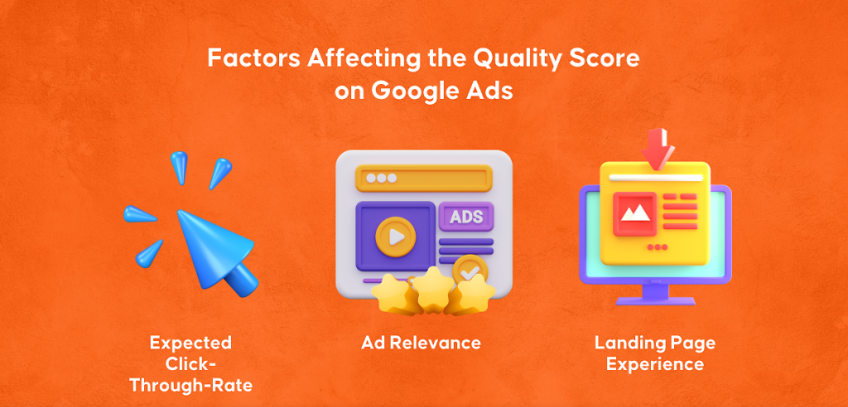
Three factors determine your Quality Score:
Expected Click-Through Rate (CTR)
➔ How likely people are to click your ad.Ad Relevance
➔ How closely your ad matches the user’s search intent.Landing Page Experience
➔ How relevant, useful, and easy your landing page is.
In short:
Good ads + good keywords + good landing pages = higher Quality Score.
Why Quality Score Matters
Here’s why you should care (a lot):
Lower CPCs (Cost Per Click):
Higher scores can dramatically lower how much you pay for clicks.Better Ad Positions:
Google favors higher-Quality-Score ads—even if your bids are lower than competitors’.Higher ROI:
More clicks, better leads, and lower costs = way better return on ad spend.
Pro Tip:
You don’t just bid for ad placement—you earn it through quality!
How to Improve Your Google Ads Quality Score
1. Tighten Your Keyword Grouping
Don’t lump 50 unrelated keywords into a single ad group.
Instead:
Create small, tightly themed ad groups.
5–20 closely related keywords per group is ideal.
Example:
Instead of one broad group called “Shoes,” create:
“Running Shoes for Women”
“Men’s Dress Shoes”
“Kids’ Sneakers”
2. Write Hyper-Relevant Ad Copy
Your ads should directly match the keywords you’re targeting.
✅ Use the main keyword in:
The headline
The description
The display URL (if possible)
✅ Speak to the searcher’s intent:
Solve their problem
Offer a clear value prop
Include a strong CTA (Call to Action)
Example:
If your keyword is “Buy Red Running Shoes,” don’t just say “Shop Now.”
Say “Buy Red Running Shoes – Fast Shipping Available!”
3. Optimize Your Landing Pages
Your ad gets the click, but your landing page must seal the deal.
Make sure your landing page:
Matches the ad’s promise exactly.
Uses the keyword in the page title, headers, and text.
Loads fast (under 3 seconds ideally).
Is mobile-friendly (over half of Google Ads clicks are mobile).
Has a clear CTA (“Buy Now,” “Get a Quote,” etc.).
If your page doesn’t deliver what the user expected, your Quality Score (and conversion rate) will suffer.
4. Boost Your Expected CTR
Google favors ads that people actually click.
A few ways to improve CTR:
Use emotional triggers (e.g., “Don’t Miss Out!”)
Highlight benefits and USPs (Unique Selling Points)
Use sitelinks, callouts, and structured snippets to make your ad bigger and more clickable
Test multiple ad variations to see what resonates best
Pro Tip:
Always A/B test new headlines and offers!
5. Use Negative Keywords
Negative keywords tell Google who you DON’T want to see your ads.
For example, if you sell premium leather jackets, you might add “cheap” or “free” as negative keywords.
This:
Improves your CTR
Reduces wasted spend
Boosts your Quality Score by keeping your traffic highly relevant
6. Monitor & Optimize Regularly
Improving Quality Score isn’t a “set it and forget it” thing.
✅ Check Quality Scores for your keywords weekly.
✅ Pause or fix low-Quality-Score keywords.
✅ Constantly refine your ads, landing pages, and targeting.
Remember:
Small, ongoing tweaks can lead to big gains over time.
How to Check Your Quality Score
In Google Ads:
Go to Keywords in your campaign.
Click on Columns ➔ Modify Columns ➔ Add “Quality Score” metrics (Score, Expected CTR, Ad Relevance, Landing Page Experience).
Now you can see where you need to improve!
Final Thoughts
Improving your Google Ads Quality Score isn’t just about getting better numbers—it’s about creating a better, smoother experience for your users.
When you focus on relevance, value, and usability: ✅ Google rewards you with better ad positions
✅ You pay less per click
✅ You drive more high-quality traffic and conversions


